Why Paint Correction Comes Before a Ceramic Coating
A coating protects the paint you give it, flaws included, which is why the prep matters more than the product.
October 27, 2026 · 4 min read
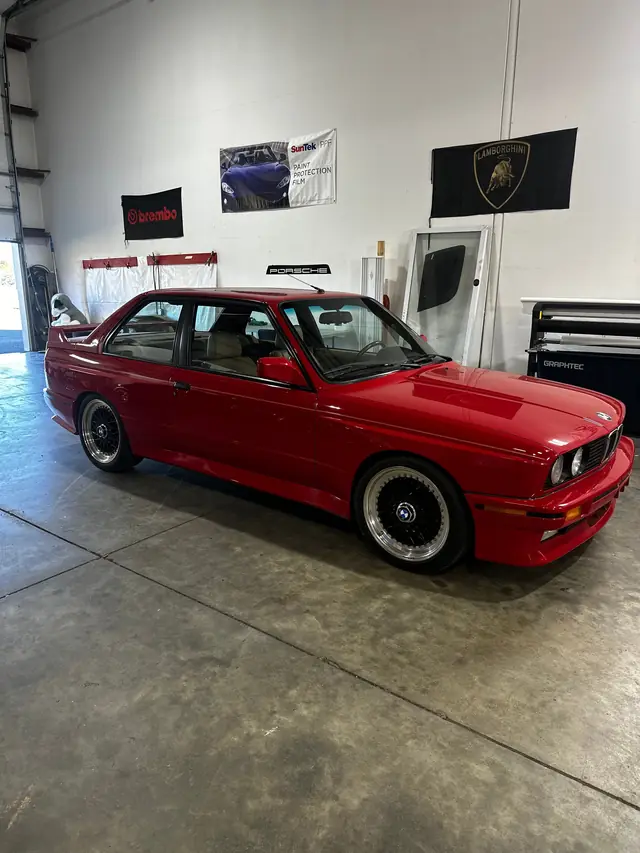
A coating keeps the paint exactly as it finds it
A ceramic coating is a thin, hard layer that bonds to the paint under it. Whatever condition the paint is in on the day the coating goes on is the condition it stays in. Swirl marks, water spots, light scratches and etching do not vanish beneath a clear layer. They get sealed in, and a deeper gloss on top can make them easier to see, not harder.
That is the reason Performance Plus Detailing treats paint correction as the step before a coating and not an optional add-on. The shop's own wording is direct: proper prep, meaning paint correction, and maintenance are required for the best results and longevity. A coating is a long term investment in the finish, and the finish has to be worth protecting before the protection goes on.
What paint correction actually is
Paint correction takes polishing to the next level. Ordinary polishing improves gloss and freshens a finish. Correction goes after the defects themselves, the swirls, minor scratches, etching and water spots that scatter light and make a dark car look hazy under the sun or a shop light.
In general terms, the work levels the surface of the clear coat so it reflects light cleanly instead of bouncing it off thousands of tiny scratches. It is done with machine polishers, a range of pads and compounds, and a lot of patience, panel by panel, with the paint checked under strong light as the work goes. The goal is clarity and shine that gets as close to like new as the paint allows.
Paint is not unlimited. Every car has a finite amount of clear coat, and a careful detailer weighs what a defect is costing the finish against what removing it would take. That judgment is a big part of what you are paying a craftsperson for.
What 10-20 hours really means
Performance Plus describes paint correction as a labor-intensive process that can take anywhere from 10-20 hours, depending on the condition of the vehicle and the results you want. That range is not padding. It is the honest spread between a car that needs a refinement and a car that needs real restoration work on every panel.
A few things push a job toward one end of that range or the other.
- How much swirling and fine scratching is already in the paint, which often traces back to years of automatic brush washes or dry wiping.
- Whether there is etching from bird droppings, acid rain or water that was left to dry on the surface.
- The size of the vehicle and how many large, flat panels it has.
- Paint color, since dark colors show every flaw and ask for more finishing work.
- How far you want to take it. A daily driver and a show car that will sit under lights are different targets.
Because of all that, no one can honestly quote a correction over the phone without seeing the car. That is exactly what an in-person look is for.
The steps around the polish
Correction does not happen on a dirty car. The exterior detail menu at the shop includes a hand wash, clay bar, bug and tar removal, paint compounding, polishing and hand waxing, and those pieces matter because they set the stage. In general practice, a clay bar lifts bonded contamination that a wash leaves behind, so the polisher is working on clean paint and not dragging grit across it.
The shop also does not sell fixed packages. Services are custom tailored to each client, so you are not paying for steps you did not need. If your paint only needs a light polish before a coating, that is a different job than a car with years of neglect, and the recommendation should reflect it.
Why this order protects your money
Ceramic coatings through the shop are hand applied and come with a 1-year, 2-year or 5-year limited warranty. Those are meaningful commitments, and they sit on top of good preparation. Skipping the correction to save time or cost up front is the fastest way to be disappointed later, because you end up with a durable layer over a finish you still do not love.
Maintenance matters too. A coating makes a car easier to clean and helps repel everyday dirt, grime and road film, but it is not a license to stop caring for the paint. Gentle hand washing, clean wash media and avoiding harsh brush washes are the habits that keep a corrected, coated finish looking the way it did the day you picked it up.
Start with a free conversation
Every client at Performance Plus Detailing gets a free in-person consultation to talk through the car, the goals and the expectations. Brian Severino and the team will look at the paint, tell you what they see, and recommend what makes sense, including whether correction before a coating is the right path for you.
The shop is at 458 Danbury Road in New Milford, in a private setting with no public street traffic. Call (203) 948-2194 and leave a voicemail if no one picks up, since it is hard to hear the phone over the equipment in the shop. Calls are returned.
Performance Plus Detailing, (203) 948-2194
Call (203) 948-2194More articles
Ceramic Coating vs Paint Sealant: What Is Actually Different
Both protect your paint, but a hand-applied ceramic coating is built for a different job than a sealant.
Clear Bra for Connecticut Roads: Panels, Film and Warranties
Rocks, salt and insects chip a front end fast, and a clear film is the layer that takes the hit instead of your paint.